
- Home

- Product
-
Kyocera Elliptical Digital Printing Machines
-
RY-K8 Kyocera Four-Color Elliptical Digital Printer
-
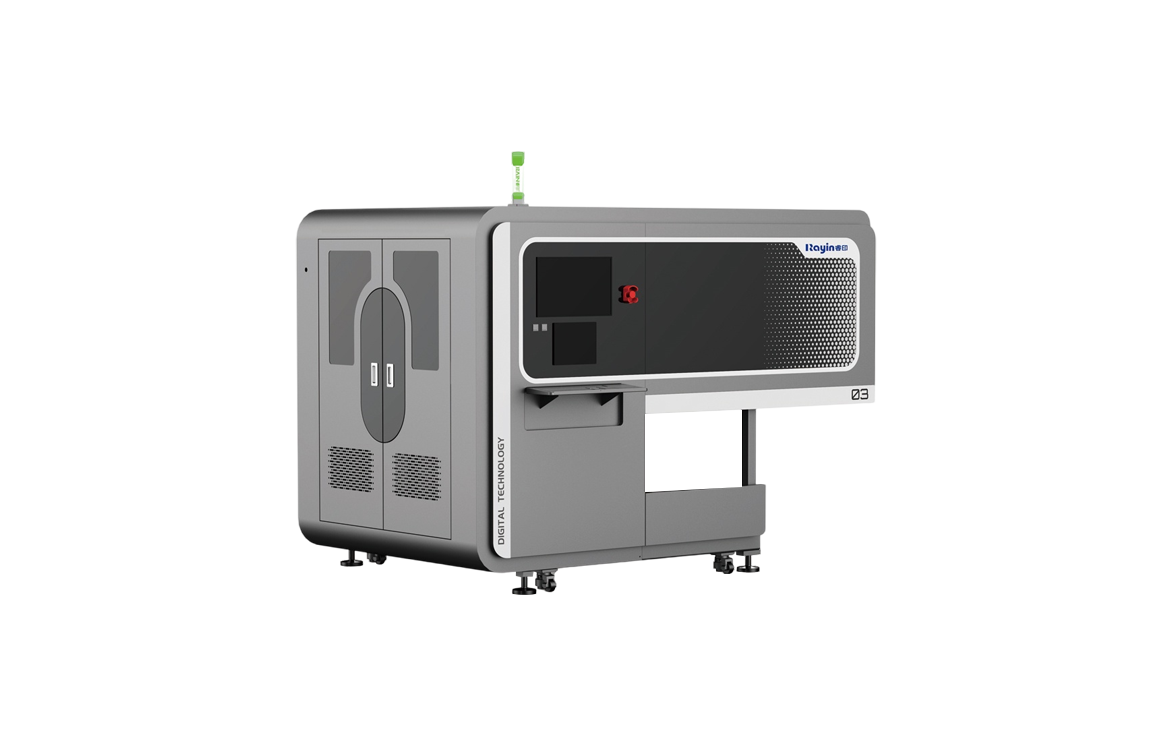
RY-K8 Kyocera Four-Color Elliptical Digital Printer
-
-
RY-K12 Kyocera Four-Color Elliptical Digital Printer
-
RY-K12 Kyocera Four-Color Elliptical Digital Printer
-
-
RY-K18 Kyocera Six-Color Elliptical Digital Printer
-
RY-K18 Kyocera Six-Color Elliptical Digital Printer
-
-
RY-K24 Kyocera Six-Color Elliptical Digital Printer
-
RY-K24 Kyocera Six-Color Elliptical Digital Printer
-
-
RY-K8 Kyocera Four-Color Elliptical Digital Printer
-
Ricoh Elliptical Digital Printing Machines
-
RY-T10 Ricoh Four-Color Elliptical Digital Printer
-
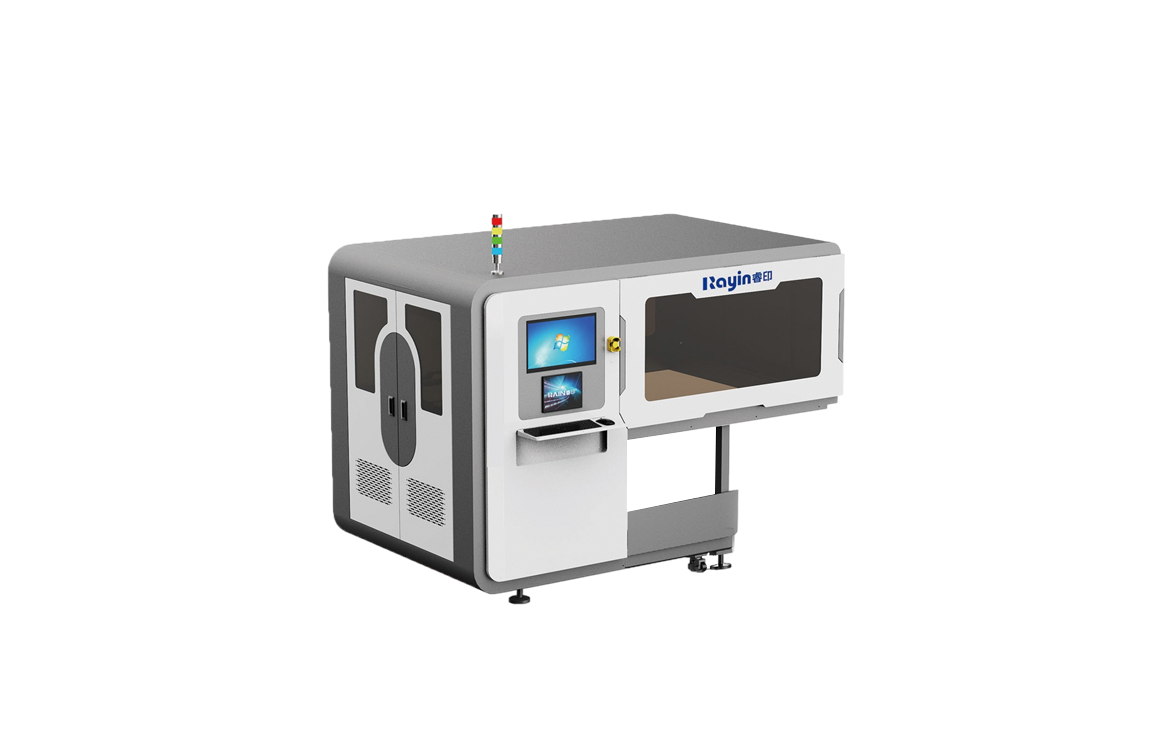
RY-T10 Ricoh Four-Color Elliptical Digital Printer
-
-
RY-T15 Ricoh Six-Color Elliptical Digital Printer
-
RY-T15 Ricoh Six-Color Elliptical Digital Printer
-
-
RY-T12 Ricoh Four-Color Elliptical Digital Printer
-
RY-T12 Ricoh Four-Color Elliptical Digital Printer
-
-
RY-T18 Ricoh Six-Color Elliptical Digital Printer
-
RY-T18 Ricoh Six-Color Elliptical Digital Printer
-
-
RY-T4 Ricoh White-Ink Digital Printer
-
RY-T4 Ricoh White-Ink Digital Printer
-
-
RY-T10-5 Ricoh White-Ink Digital Printer
-
RY-T10-5 Ricoh White-Ink Digital Printer
-
-
RY-T10 Ricoh Four-Color Elliptical Digital Printer
-
Garment Workstation Digital Printer
-
Garment Workstation Digital Printer
-
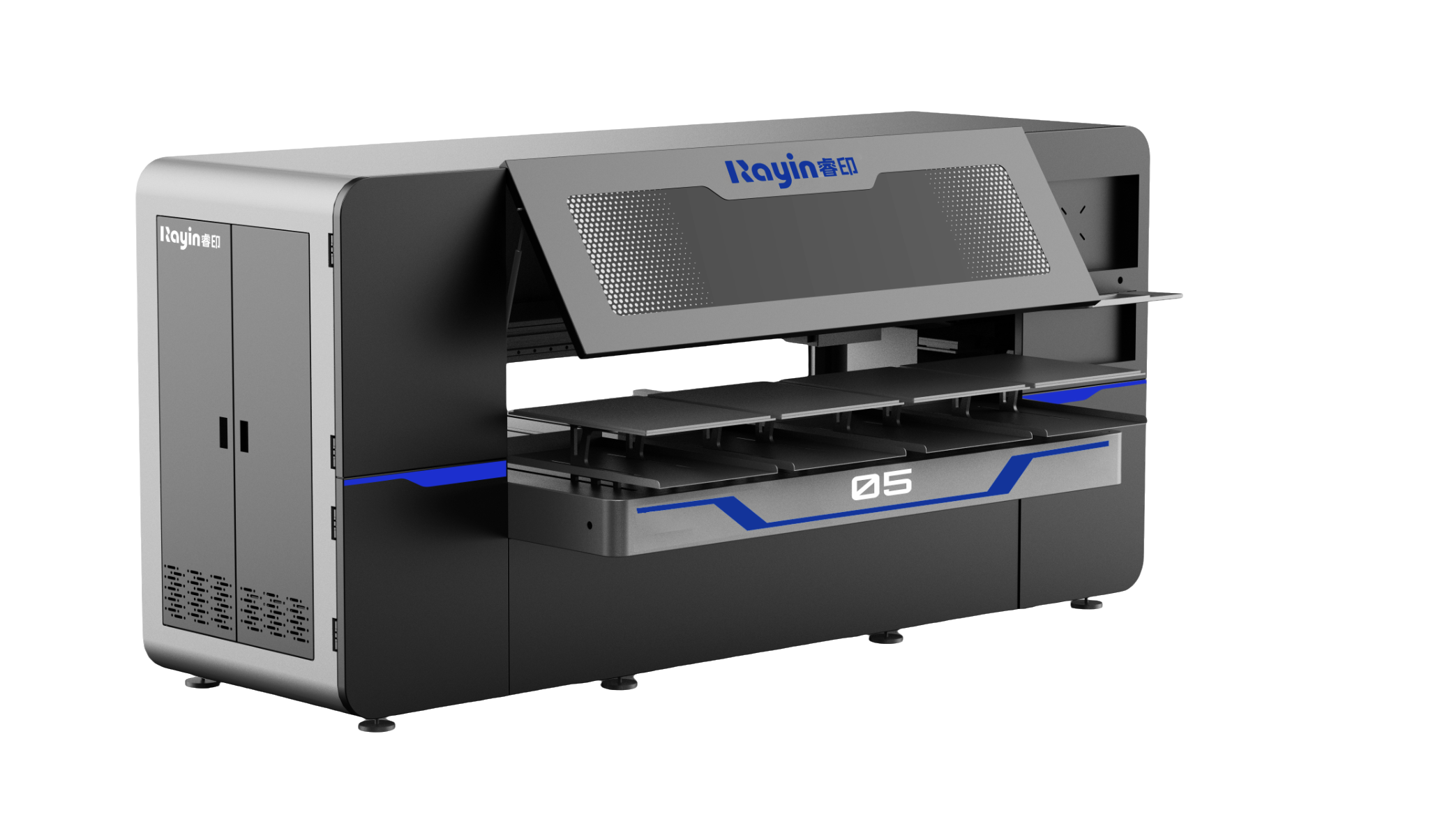
Garment Workstation Digital Printer
-
-
Garment Workstation Digital Printer
-
Direct-to-Fabric Belt Printer
-
Direct-to-Fabric Belt Digital Printer
-
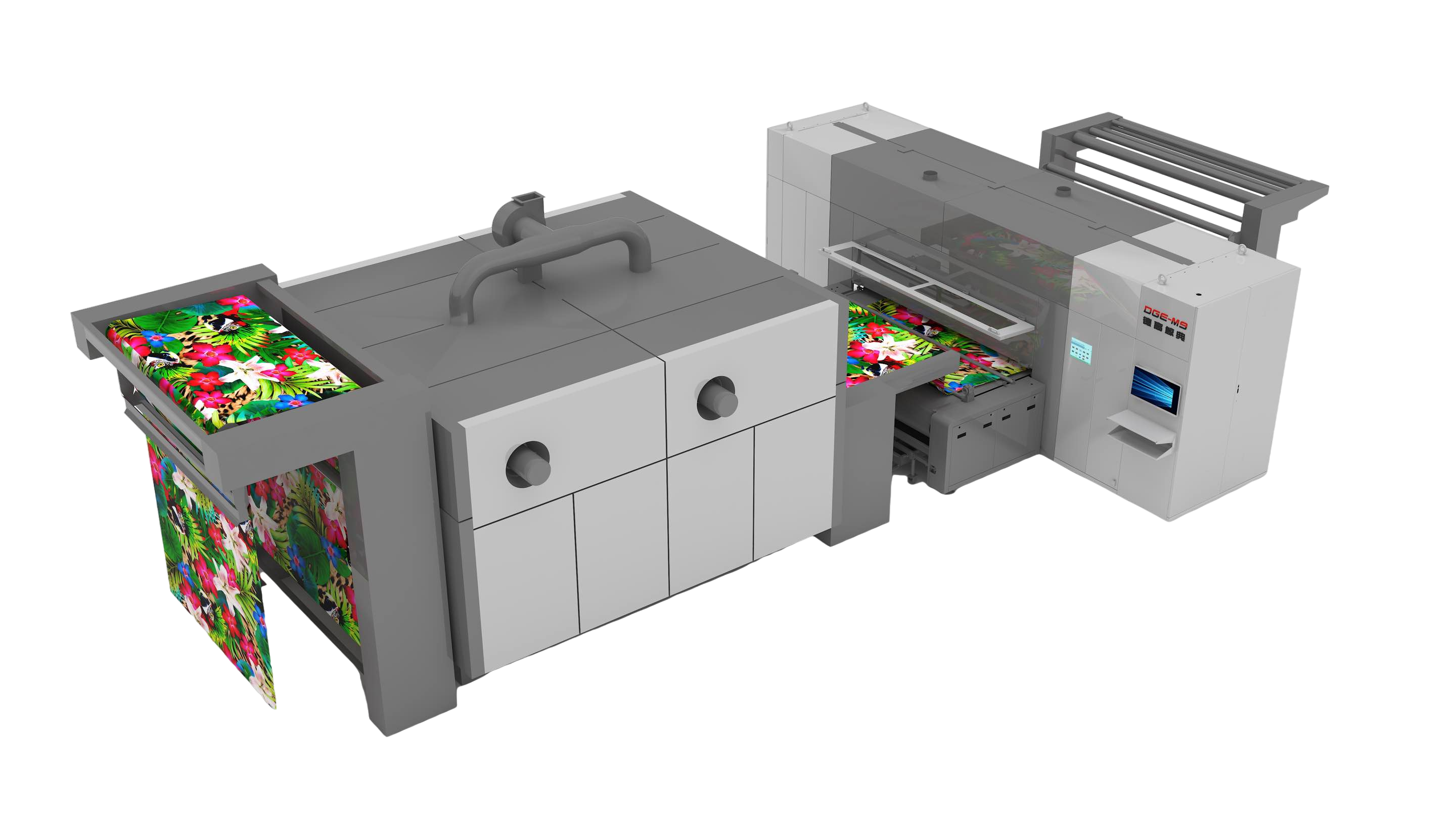
Direct-to-Fabric Belt Digital Printer
-
-
Direct-to-Fabric Belt Digital Printer
-
Textile Printheads
-
Kyocera Single-Channel Printhead
-
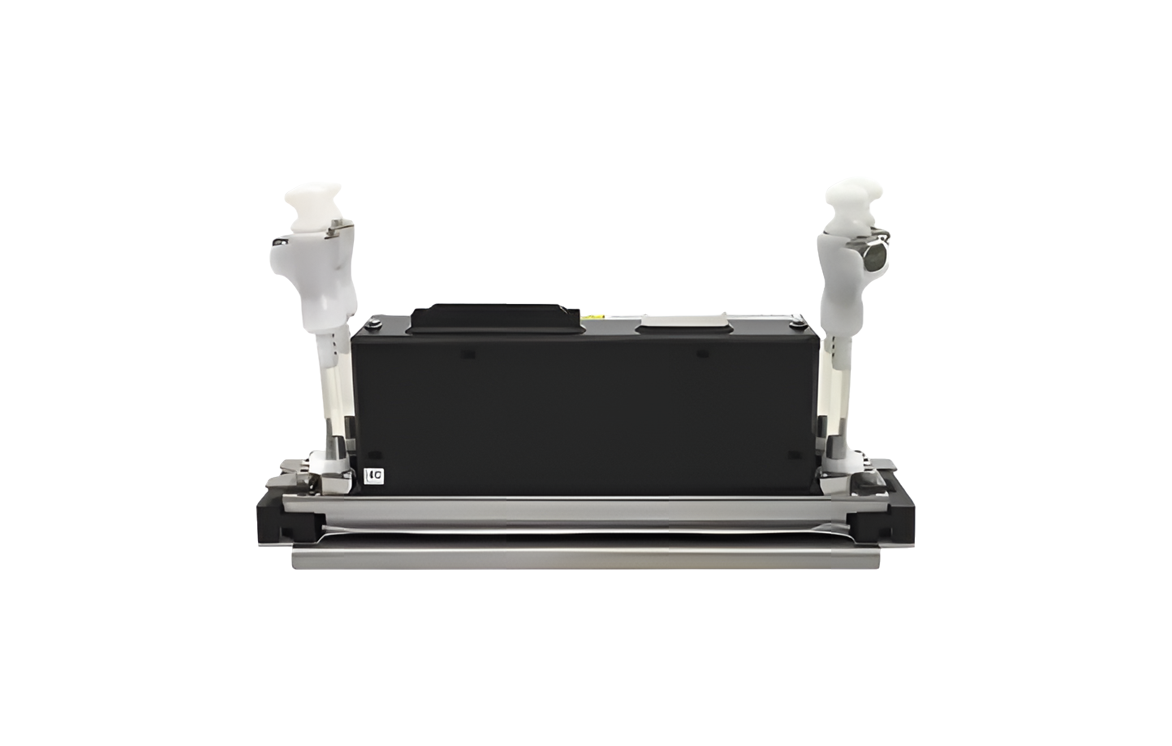
Kyocera Single-Channel Printhead
-
-
Ricoh Dual-Channel Printhead
-
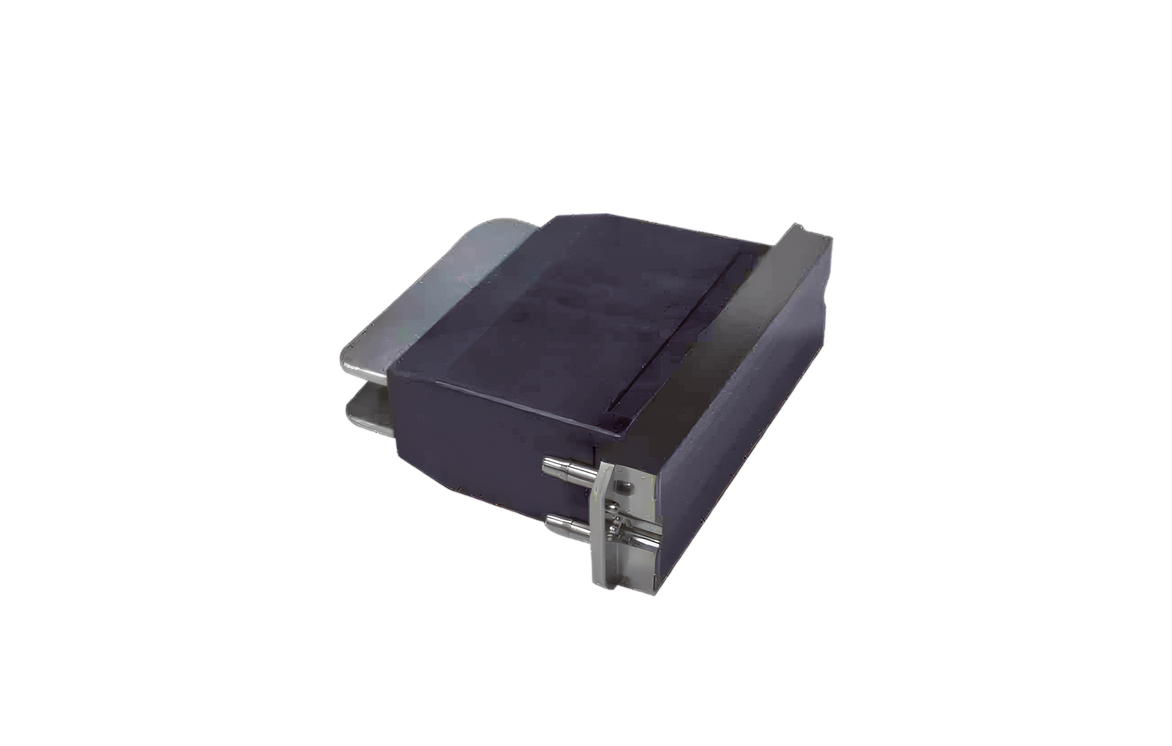
Ricoh Dual-Channel Printhead
-
-
Kyocera Single-Channel Printhead
-
Kyocera Elliptical Digital Printing Machines
-
About Ruiyin DTP
-
Textile Digital Printing Videos
-
News
-
Contact Us







 ADD: No. 466, Xianfeng Street, Tongzhou District, Nantong City, Jiangsu Province, China
 TEL: 0086 19921037970 (WhatsApp)
 Mail:
alantexphp@gmail.com
Mail:
alantexphp@gmail.com WEB: https://en.ruiyindtp.cn